If your Audi or Volkswagen just threw a P0300 code, here’s the short version: P0300 means the engine control unit detected random or multiple cylinder misfires — not just on one cylinder. The most common causes are worn spark plugs, failing ignition coils, vacuum/PCV leaks, fuel delivery issues (injectors or high-pressure fuel pump), carbon buildup on intake valves (direct-injection engines), or timing-related problems. The fix starts with a proper VAG-specific diagnosis, then targeted repair. Below, we explain P0300 random misfire audi vw cause and fix step by step so you can resolve it correctly and protect your catalytic converters.
What does P0300 random misfire audi vw cause and fix actually mean?
P0300 is a generic OBD-II code that translates to “Random/Multiple Cylinder Misfire Detected.” In VAG vehicles you’ll often also see manufacturer-specific or mirror codes (e.g., 16684/P0300/000768 in legacy systems). A misfire is when a cylinder’s air-fuel-ignition event does not produce expected torque. Enough misfires across different cylinders within a certain time window triggers P0300. On Audi/VW engines, this can be caused by ignition, fuel, air, mechanical, or software/adaptation faults.
For an official technical reference on how misfires are recognized, see the Ross-Tech VCDS wiki for this DTC: P0300 Random/Multiple Cylinder Misfire Detected. You can also learn more about Audi powertrain technologies on the manufacturer’s site: audi.com.
If you need help beyond DIY, our team can connect remotely and guide the entire process, including ECU checks and post-repair adaptations. Explore our ECU programming and coding services to understand how we support both owners and workshops.
Symptoms you’ll notice with P0300
- Rough idle, shaking, or vibration (especially at stoplights or on cold start)
- Hesitation under load, lack of power, or stumbling acceleration
- Check Engine Light (CEL) flashing during severe misfire events
- Smell of unburnt fuel from the exhaust; possible popping noises
- Poor fuel economy
- Sometimes no obvious symptom if misfires are intermittent but stored as pending DTCs
Important: A flashing CEL indicates active misfires that can rapidly damage the catalytic converters. Reduce load and diagnose as soon as possible.
Common causes — P0300 random misfire audi vw cause and fix
While the root cause varies by engine family and mileage, these are the most common on Audi/VW platforms:
Ignition system faults
- Spark plugs: Worn electrodes or incorrect gap. Direct-injection turbo engines (TFSI/TSI) are hard on plugs; intervals may be shorter than on NA engines.
- Ignition coils: Coil-on-plug modules fail with heat and age. On older 1.8T 20V and early TFSI, coil issues were especially common.
- Water or oil in plug wells: From cam cover gasket leaks or after engine bay washing.
Air and vacuum leaks
- PCV/breather system failures: Torn diaphragms or failed valves cause unmetered air and lean misfires, especially at idle.
- Intake tract leaks: Split intercooler hoses, loose clamps, cracked vacuum lines.
- Intake manifold runner flap issues: Stuck or failed actuators can upset cylinder filling at certain RPM/load (often with codes like P2015).
Fuel system issues
- Direct injectors: Dribbling or clogged nozzles cause uneven fueling; cold-start misfires are common.
- High-Pressure Fuel Pump (HPFP): On EA113 2.0 TFSI, a worn cam follower can starve the pump; on EA888, pressure control issues can cause lean misfires under load.
- Low-pressure (in-tank) pump or filter: Low supply pressure results in lean running and random misfires.
Carbon buildup on intake valves (direct injection)
- DI engines don’t wash intake valves with fuel, allowing oil vapor to coke on the valve stems and ports. Misfires are worst at cold start/idle and may trigger P0300 alongside cylinder-specific codes.
Air metering and exhaust sensors
- MAF sensor drift/contamination: Mis-measured airflow skews fueling and timing.
- O2/AFR sensor aging: Less common as the primary cause of P0300, but can compound mixture control issues once warm.
Mechanical and timing faults
- Low compression: From worn rings, burnt valves, or head gasket issues causes persistent misfires.
- Timing chain/belt misalignment: Stretched chains or skipped teeth alter valve timing (often with correlation codes like P0016/P0017).
- EGR (where fitted): Stuck EGR valves (more on some VW engines) can create unstable combustion.
Platform notes you can use
- EA113 2.0 TFSI (FSI) engines: Inspect HPFP cam follower; a worn follower can damage the cam lobe and cause fueling/misfires.
- EA888 Gen 2/3 (1.8/2.0 TSI/TFSI): PCV valves, intake runner flaps, carbon buildup, and coil packs are frequent culprits.
- 3.0 TFSI V6 (supercharged): Vacuum leaks at PCV/valley pan and injector issues show up as cold misfires.
- VR6/3.2/3.6 FSI: Coil failures and carbon buildup lead to random and cylinder-specific misfires.
- 4.0T (S/RS/Performance models): Ignition coils, injectors, and high heat can trigger intermittent misfires under load.
- Porsche/Bentley/Lamborghini VAG platforms: Same core principles apply; packaging and access make proper diagnostics more critical. We handle these remotely or in person.
Knowing the pattern per engine helps us zero in on P0300 random misfire audi vw cause and fix faster and with fewer parts thrown at the problem.
How we diagnose and fix — P0300 random misfire audi vw cause and fix
A proper VAG diagnostic workflow saves time and money. Here’s how we approach it step by step:
1) Full system scan with VCDS/ODIS and freeze-frame review
- Scan engine ECU and all related modules for stored and pending DTCs. Note freeze-frame data (RPM, load, coolant temp, speed) at the time P0300 set — this pinpoints when misfires occur (cold idle vs highway load).
- Check for associated codes: P0301–P0308 (cylinder-specific), mixture (P0171/P0172), MAF, O2/AFR, fuel pressure (low and high side), intake flap, and cam/crank correlation codes.
2) Live data and misfire counters
- Observe per-cylinder misfire counters at idle and during light throttle. Older ECUs use Measuring Blocks (e.g., 014/015/016); newer UDS ECUs show misfire recognition values by cylinder.
- Monitor short/long-term fuel trims, MAF g/s at idle and WOT, lambda/AFR, and HPFP rail pressure targets vs actual.
3) Quick ignition check — the swap test
- Pull plugs; examine electrode wear, gap, coloration, and oil fouling. Replace if questionable with correct OEM-spec heat range and gap.
- Swap coils between a frequently misfiring cylinder and a known good cylinder. If the misfire follows the coil, replace that coil (often wise to replace as a full set on high-mileage engines).
4) Smoke test and PCV evaluation
- Pressurize the intake to find hidden vacuum leaks, split hoses, or intercooler leaks.
- Test PCV function (crankcase vacuum within spec; failed diaphragms or internal leaks are common random-misfire triggers at idle).
5) Fuel system checks
- Verify low-pressure fuel supply and HPFP rail pressure under the conditions that set P0300.
- On DI engines with cold-start misfires, perform injector balance/leak testing. Replace or ultrasonic-clean as needed; code new injectors to ECU if applicable.
6) Carbon buildup assessment
- Borescope intake valves and ports. Moderate-to-heavy deposits correlate strongly with cold idle misfires and rough running.
- Plan a walnut-shell blasting service or equivalent intake cleaning if deposits are significant.
7) Mechanical integrity
- Compression and leak-down tests if misfires persist after ignition/fuel/air checks.
- Verify timing chain/belt alignment and cam phasing if correlation codes or uneven compression appear.
8) Software, adaptations, and post-repair steps
- Apply ECU software updates where required. Reset fuel trims and perform basic settings/adaptations (throttle body, intake flap, and high-pressure pump learning as applicable).
- Enter injector IMA/flow codes after replacement. This often requires advanced tools — we handle this remotely via our remote VAG programming service.
Typical repairs that solve P0300 random misfire audi vw cause and fix
- Ignition service: New OEM-spec plugs and one or more coils (or full set on high-mileage cars). Clear codes and verify misfire counters remain at zero across the drive cycle.
- PCV and vacuum leaks: Replace PCV assembly, cracked breather hoses, and any leaking intake components. Idle smoothness should improve immediately.
- Fuel system: Replace faulty DI injectors (with coding), HPFP or low-pressure pump as needed. Confirm fuel pressure stability and trims near zero.
- Carbon cleaning: Walnut-blast intake valves. Expect major improvement in cold start behavior and idle quality on DI engines.
- Timing/mechanical repair: Address chain stretch, tensioners, or valve issues as indicated by test results.
- Software and adaptations: Update ECU where applicable, reset learned trims, perform basic settings. We can support these steps via ECU programming and coding services.
Related codes you may see with P0300
- P0301–P0308: Cylinder-specific misfires; often accompany P0300 during diagnosis.
- P0171/P0172: System too lean/rich; vacuum leaks, MAF, fuel delivery.
- P0087/P0088: Fuel rail/system pressure too low/high (low or high side issues).
- P0101: MAF performance range.
- P2015: Intake manifold runner position sensor (flap issues).
- P0016/P0017: Crank/cam correlation (timing concerns).
When we see combinations like P0171 with P0300, we immediately include smoke testing and PCV checks in our plan — a pattern-based shortcut that speeds up P0300 random misfire audi vw cause and fix.
Prevention tips after you fix P0300 random misfire audi vw cause and fix
- Install correct OEM-spec plugs at the right interval and torque; avoid over-gapping performance plugs without a tune to match.
- Use quality ignition coils; mixing random aftermarket coils can introduce new issues.
- Keep the PCV/breather system healthy; address oil leaks promptly.
- Use high-quality fuel; DI engines benefit from detergents that help keep injectors clean.
- For DI engines, consider periodic intake valve cleaning depending on usage (short trips accelerate deposits).
- After injector replacement or manifold work, ensure proper coding and adaptations are performed to stabilize trims and idle.
When should you stop driving?
If the Check Engine Light is flashing, the engine is shaking severely, or there’s a strong smell of raw fuel, reduce load immediately and avoid extended driving. Active misfires can overheat and melt catalytic converters quickly, turning a simple P0300 random misfire audi vw cause and fix into a much bigger repair.
How VAG Programming helps resolve P0300 quickly
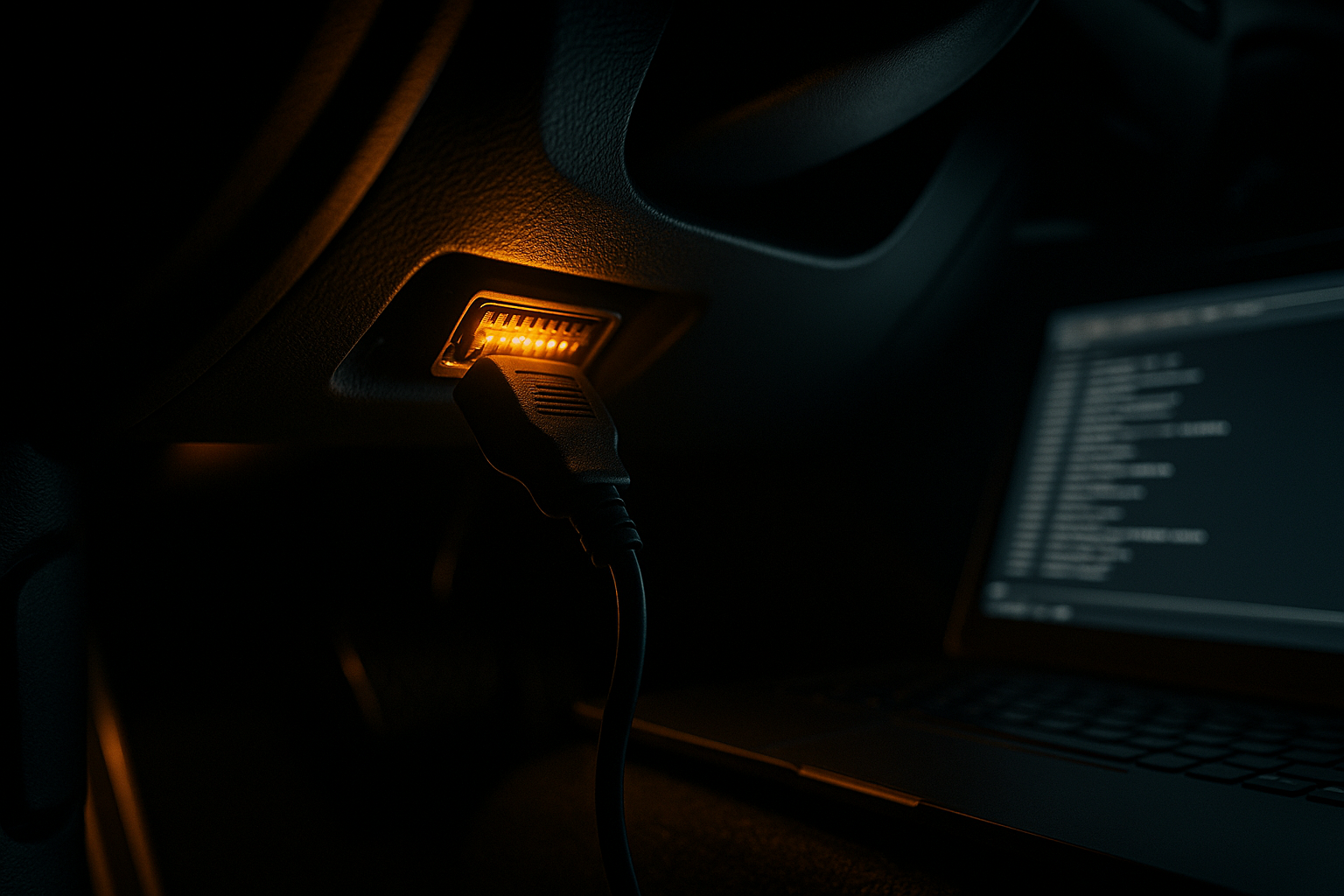
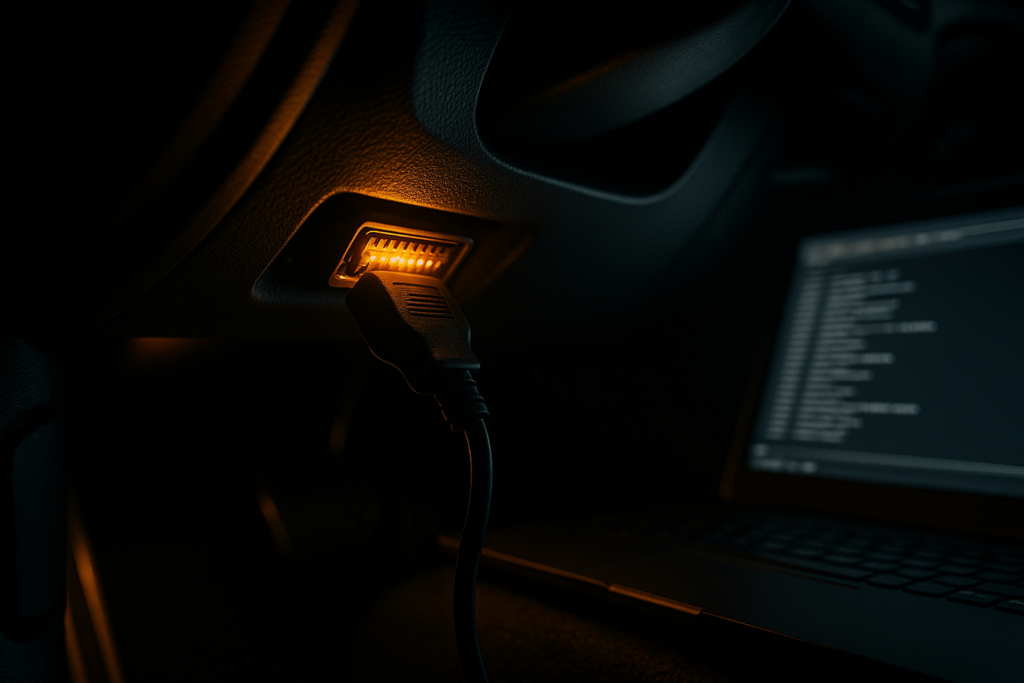
We support both owners and workshops with brand-specialist diagnostics and repair guidance. Many steps can be completed remotely with a compatible OBD interface and a laptop while our technician connects live:
- ODIS/VCDS-level scans, freeze-frame review, and live misfire counter analysis
- Guided smoke testing procedure and interpretation of fuel trims and MAF data
- Injector coding (IMA), throttle/intake basic settings, and ECU software updates
- Post-repair validation drive and misfire monitor readiness
For complex platforms like Porsche, Bentley, and Lamborghini that rarely have local independent expertise, our remote workflow is designed to deliver dealer-level direction without the travel. If in-person work is required, we’ll outline the work order and coordinate with your local technician.
Explore our dedicated vehicle diagnostics and troubleshooting service, or browse our full range of VAG services. If you need coding or adaptations after replacing parts, book time via our remote VAG programming service.
Real-world examples of P0300 random misfire audi vw cause and fix
- EA888 Gen 3 2.0 TSI (A3/Golf/TT/Q3): P0300 with rough cold idle. Misfire counters highest at idle, fuel trims slightly positive, PCV diaphragm torn. Fix: PCV assembly and fresh plugs — misfires resolved.
- EA113 2.0 TFSI (A4/GTI MK5): P0300 and P0087 under load; HPFP follower worn through, low rail pressure spikes. Fix: Cam follower, inspect cam lobe, HPFP as needed; restore rail pressure, no more misfires.
- 3.0 TFSI V6: Cold-start misfires P0300 + P0302/P0305; injector imbalance and carbon buildup. Fix: Walnut blasting, two injectors replaced and coded, adaptations reset — smooth idle restored.
Conclusion — P0300 random misfire audi vw cause and fix, done right
P0300 tells you the engine is misfiring across multiple cylinders, and the causes range from simple ignition parts to PCV leaks, injectors, HPFP issues, carbon buildup, or timing faults. The fastest route to a durable fix is a VAG-specific diagnostic: analyze misfire counters and freeze-frame, test ignition first, smoke-test the intake, verify fuel pressures, inspect for carbon, and confirm mechanical timing. From there, the P0300 random misfire audi vw cause and fix typically involves plugs/coils, breather repairs, injector or pump service with coding, intake cleaning, and completing the correct ECU adaptations/software updates. If you want expert help, we can handle the full diagnostic and coding workflow remotely or support your shop with clear next steps.
Is Your VAG Vehicle Showing This Issue?
Whether you are a car owner dealing with a fault, a workshop
needing a specialist partner, or an enthusiast looking to unlock
your vehicle’s full potential — VAG Programming offers expert remote
and in-person ECU coding, programming, and diagnostics for Audi,
Volkswagen, Porsche, Bentley, and Lamborghini worldwide.
Contact us today
and let’s fix it the right way.